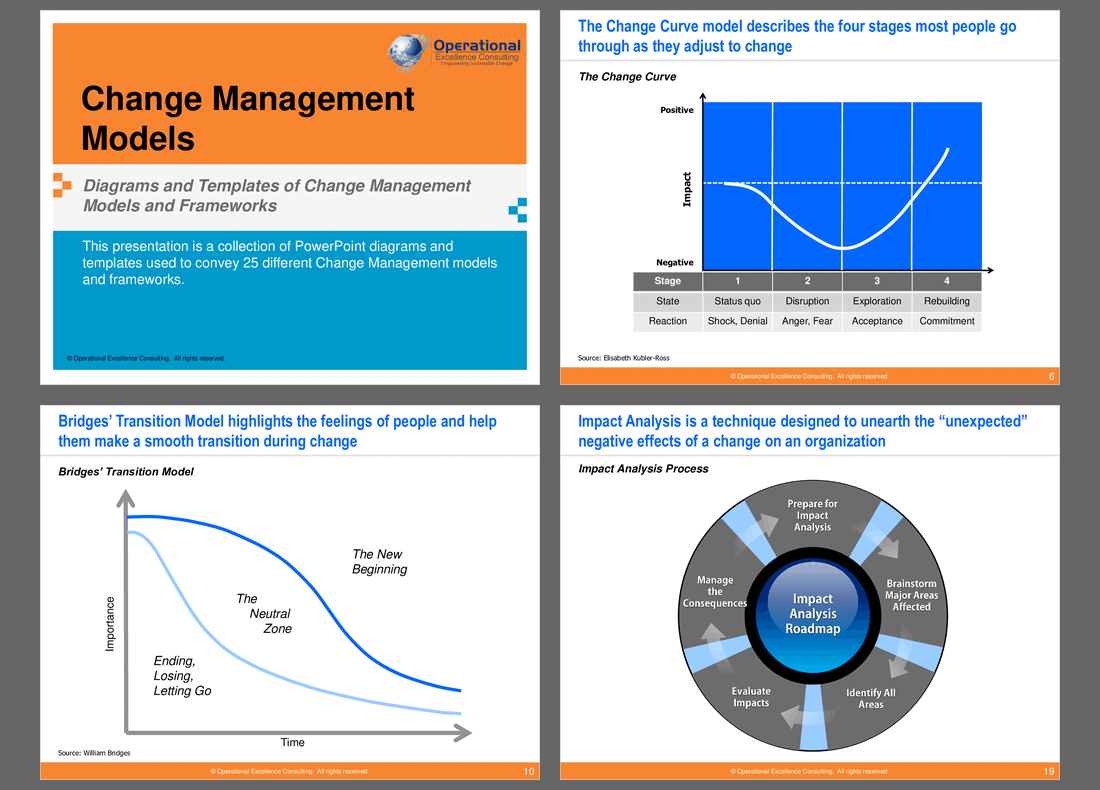

This presentation is a collection of PowerPoint diagrams and templates used to convey 25 different Change Management models and frameworks. (Please note that these are diagrams and charts that are to be used in your own business or classroom presentations. These are not instructional slides.)

INCLUDED MODELS/FRAMEWORKS:
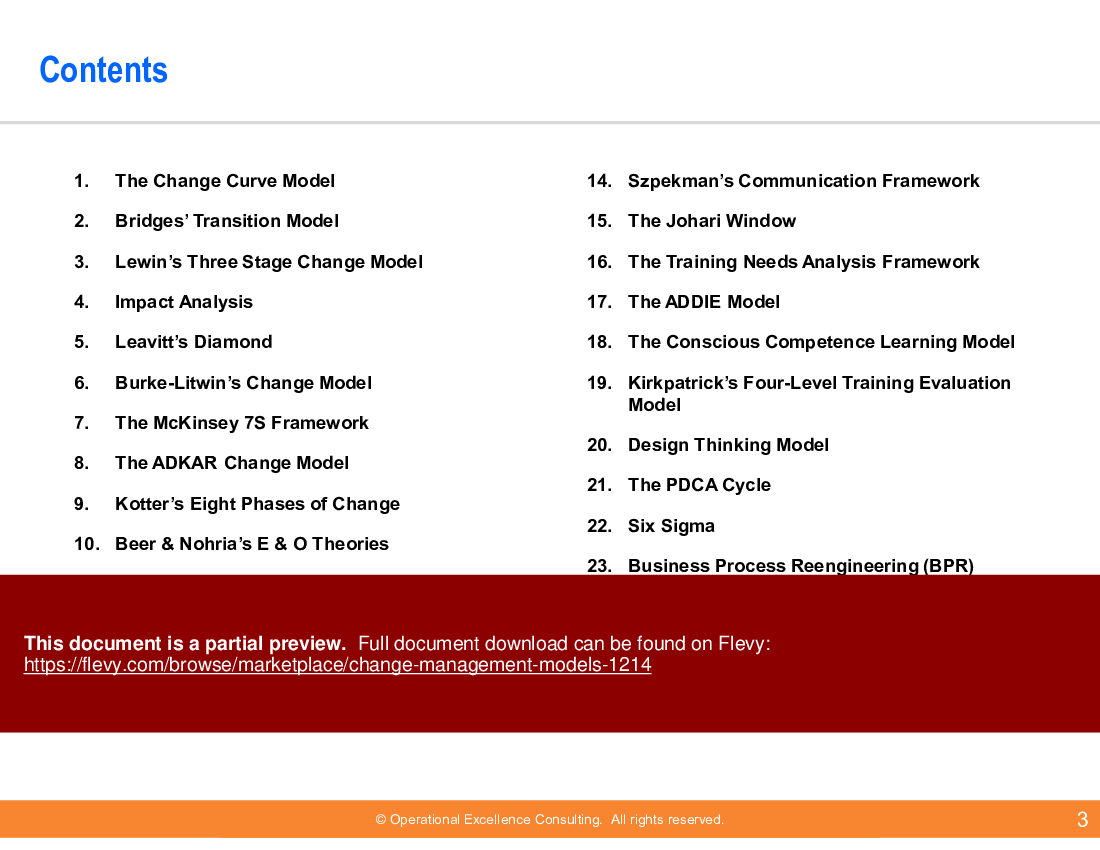
1. Kubler-Ross' Change Curve Model
2. Bridges' Transition Model
3. Lewin's Three Stage Change Model
4. Impact Analysis Process
5. Leavitt's Diamond
6. The Burke-Litwin Change Model
7. The McKinsey 7S Framework
8. The ADKAR Change Model
9. Kotter's Eight Phases of Change
10. Beer & Nohria's E & O Theories
11. Hofstede's Cultural Dimensions
12. The Power/Interest Grid for Stakeholder Prioritization
13. Osgood-Schramm's Communication Model
14. Szpekman's Communication Framework
15. The Johari Window
16. Blanchard & Thacker's Training Needs Analysis Framework
17. The ADDIE Model
18. Burch's Conscious Competence Learning Model
19. Kirkpatrick's Four-Level Training Evaluation Model
20. Design Thinking Model
21. The PDCA Cycle
22. Six Sigma
23. Business Process Redesign (BPR)
24. Project Management Body of Knowledge (PMBoK)
25. ISO 31000:2018 Risk Management
Concepts covered include: Eisabeth Kubler-Ross' Change Curve, William Bridges' Transition Model, Kurt Lewin's Change Model, Impact Analysis Process, Harold J. Leavitt's Diamond, Burke-Litwin Change Model, Osgood-Schramm's Model of Communication, Andy Szpekman's Communication Framework, Blanchard & Thacker's Training Needs Analysis, The Power/Interest Grid for Stakeholder Prioritization, Noel Burch's Conscious Competence Learning Model, McKinsey's 7S Framework, Prosci's ADKAR Change Model, Kotter's Eight-Step Change Process and Donald Kirkpatrick's Four-Level Training Evaluation Model.
This comprehensive deck features detailed templates and diagrams for each model, allowing you to seamlessly integrate them into your presentations. The visual aids are designed to enhance understanding and facilitate discussions on change management strategies. Whether you are leading a transformation initiative or educating your team, these slides provide the clarity and structure needed to drive impactful change. This resource is indispensable for professionals seeking to implement best practices in change management.
Got a question about the product? Email us at support@flevy.com or ask the author directly by using the "Ask the Author a Question" form. If you cannot view the preview above this document description, go here to view the large preview instead.
Executive Summary
This presentation, titled Change Management Models, is a comprehensive collection of PowerPoint diagrams and templates that encapsulate 25 distinct change management models and frameworks. Developed by Operational Excellence Consulting, this resource serves as a vital tool for organizations aiming to navigate the complexities of change effectively. The models included, such as the Change Curve, Bridges’ Transition Model, and Kotter’s Eight Phases of Change, provide structured methodologies to facilitate successful organizational transformations. With ready-to-use templates, this presentation empowers leaders to enhance stakeholder engagement and drive sustainable change initiatives.
Who This Is For and When to Use
• Change management consultants seeking structured frameworks for client engagements
• Corporate executives leading organizational change initiatives
• Project managers responsible for implementing change processes
• HR professionals focused on employee transition and training during change
• Training and development teams designing change management programs
Best-fit moments to use this deck:
• During the planning phase of a significant organizational change
• In workshops aimed at educating teams on change management principles
• When developing training materials for employees affected by change
• For stakeholder engagement sessions to communicate change strategies
Learning Objectives
• Define key change management models and their applications in organizational contexts
• Build a comprehensive understanding of the stages of change and transition
• Establish effective communication strategies to manage stakeholder expectations
• Identify potential resistance to change and develop mitigation strategies
• Create actionable plans for implementing change initiatives using established frameworks
• Evaluate the impact of change management efforts on organizational performance
Table of Contents
• The Change Curve Model (page 6)
• Bridges’ Transition Model (page 10)
• Lewin’s Three Stage Change Model (page 14)
• Impact Analysis (page 19)
• Leavitt’s Diamond (page 22)
• Burke-Litwin’s Change Model (page 25)
• The McKinsey 7-S Framework (page 31)
• The ADKAR Change Model (page 36)
• Kotter’s Eight Phases of Change (page 45)
• Beer & Nohria’s E & O Theories (page 50)
• Hofstede’s Cultural Dimensions (page 54)
• The Power/Interest Grid for Stakeholder Prioritization (page 61)
• Osgood-Schramm’s Communication Model (page 65)
• Szpekman’s Communication Framework (page 68)
• The Johari Window (page 74)
• The Training Needs Analysis Framework (page 84)
• The ADDIE Model (page 87)
• The Conscious Competence Learning Model (page 91)
• Kirkpatrick’s Four-Level Training Evaluation Model (page 95)
• Design Thinking Model (page 100)
• The PDCA Cycle (page 104)
• Six Sigma (page 107)
• Business Process Reengineering (BPR) (page 117)
• Project Management Body of Knowledge (PMBoK) (page 122)
• ISO 31000:2018 Risk Management (page 131)
Primary Topics Covered
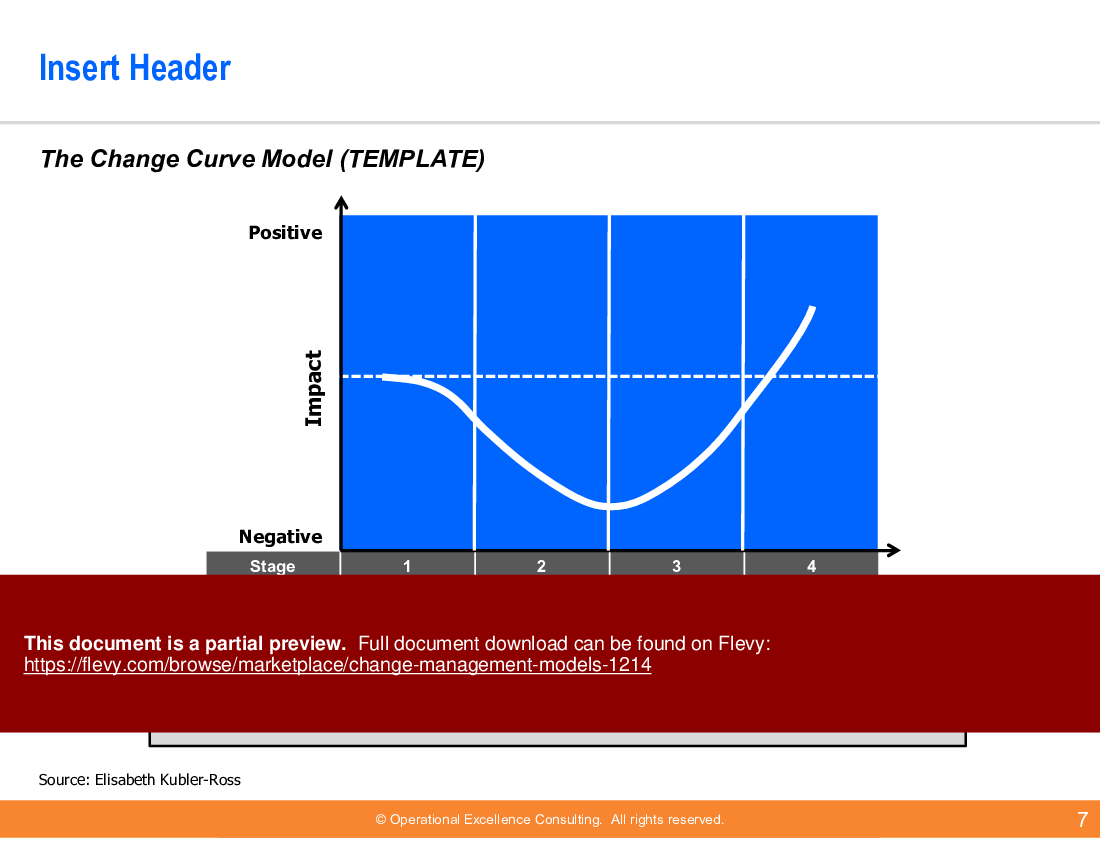
• The Change Curve Model - Describes the emotional stages individuals experience during change, including shock, anger, acceptance, and commitment.
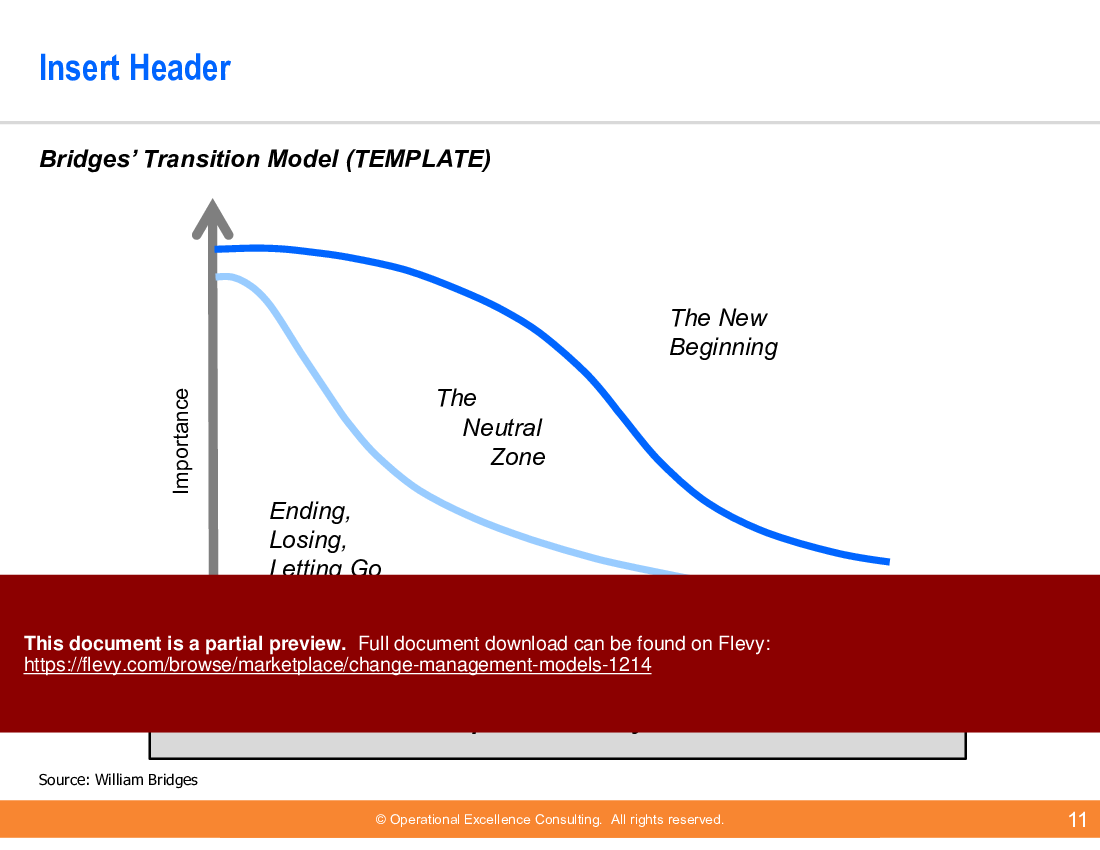
• Bridges’ Transition Model - Focuses on the internal transition process individuals undergo during change, highlighting the importance of managing feelings and expectations.
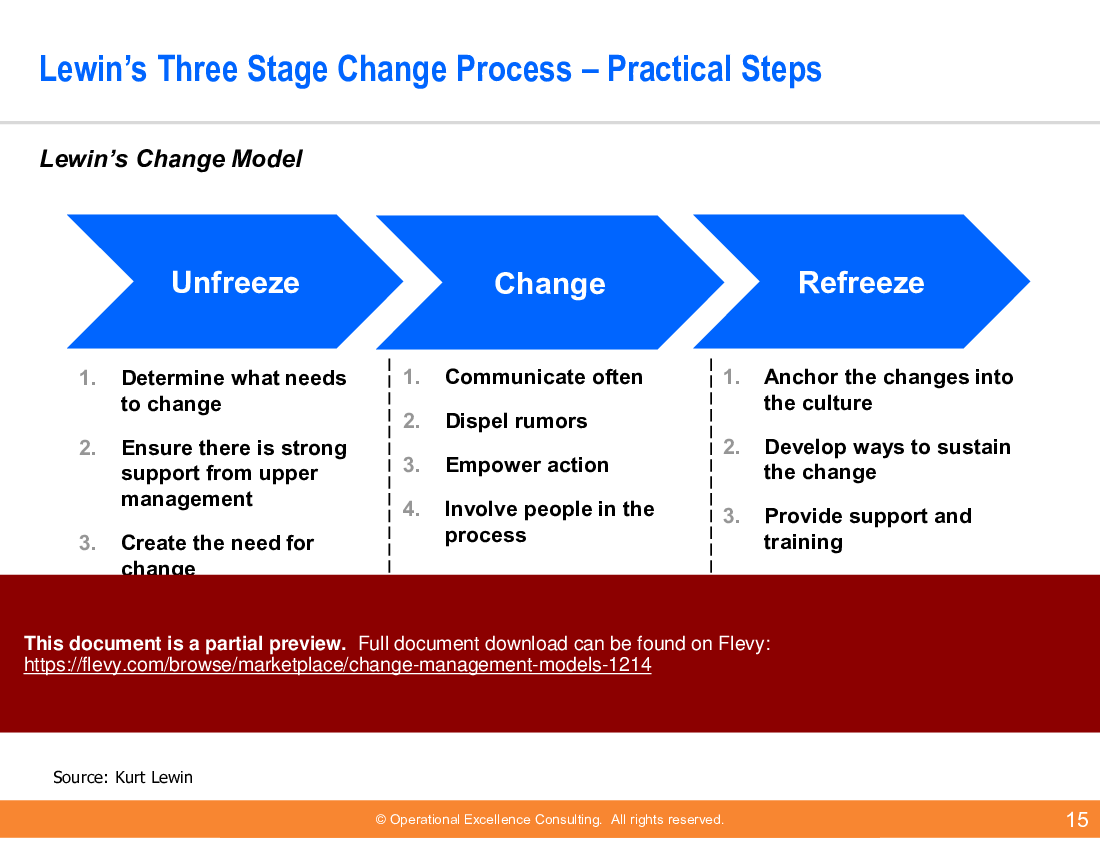
• Lewin’s Three Stage Change Model - A straightforward framework outlining the phases of unfreezing, changing, and refreezing to ensure lasting change.
• Impact Analysis - A technique to identify and assess the unexpected negative effects of change on an organization.
• Leavitt’s Diamond - Illustrates the interdependence of people, tasks, structure, and technology in organizational change.
• Burke-Litwin’s Change Model - Analyzes the causal relationships among key factors affecting organizational performance and change.
Deliverables, Templates, and Tools
• Change management model templates for practical application
• Diagrams illustrating various change management frameworks
• Communication plans tailored for stakeholder engagement
• Training needs analysis tools to identify skill gaps
• Evaluation frameworks for assessing change impact
• Project charters for Six Sigma and BPR initiatives
Slide Highlights
• Visual representation of the Change Curve stages
• Bridges’ Transition Model illustrating the emotional journey during change
• Lewin’s model detailing the steps for effective change management
• Burke-Litwin model showcasing factors influencing organizational performance
• McKinsey 7-S Framework diagram emphasizing alignment of internal elements
Potential Workshop Agenda
Introduction to Change Management Models (30 minutes)
• Overview of key change management concepts
• Discussion on the importance of structured frameworks
Interactive Session on Change Curve and Bridges’ Model (60 minutes)
• Group activities to explore emotional responses to change
• Case studies on managing transitions effectively
Application of Lewin’s Model and Burke-Litwin Framework (45 minutes)
• Breakout sessions to develop change management plans
• Sharing insights and strategies among participants
Wrap-Up and Q&A Session (15 minutes)
• Addressing participant questions
• Discussing next steps for implementing learned concepts
Customization Guidance
• Tailor the templates to reflect your organization’s specific change initiatives
• Adjust terminology and frameworks to align with your company culture
• Incorporate relevant case studies or examples from your industry
• Modify communication strategies based on stakeholder analysis
Secondary Topics Covered
• The ADKAR Change Model and its application in individual change
• The role of communication in managing change effectively
• Training frameworks such as ADDIE and Kirkpatrick’s evaluation model
• Design Thinking as a method for innovative problem-solving
• Six Sigma methodologies for process improvement
FAQ
What is the Change Curve Model?
The Change Curve Model outlines the emotional stages individuals experience during change, including shock, anger, acceptance, and commitment.
How can I apply the ADKAR model in my organization?
The ADKAR model can be applied by ensuring awareness of the need for change, fostering desire to support it, providing knowledge on how to change, enabling ability to implement new skills, and reinforcing the change to sustain it.
What is the significance of Bridges’ Transition Model?
Bridges’ Transition Model emphasizes the internal emotional journey individuals undergo during change, highlighting the need to manage feelings and expectations effectively.
How does Lewin’s model facilitate change?
Lewin’s model provides a structured approach to change through 3 stages: unfreezing the current state, implementing the change, and refreezing to solidify the new state.
What tools are available for stakeholder analysis?
The Power/Interest Grid is a useful tool for stakeholder analysis, helping to prioritize engagement strategies based on their level of power and interest in the change initiative.
How can I evaluate the effectiveness of training related to change management?
Kirkpatrick’s Four-Level Training Evaluation Model can be used to assess training effectiveness by measuring reaction, learning, behavior, and results.
What is the role of communication in change management?
Effective communication is crucial in change management as it helps to clarify the reasons for change, manage expectations, and engage stakeholders throughout the process.
How can I customize these models for my organization?
You can customize the models by tailoring templates to reflect your organization’s specific context, adjusting terminology, and incorporating relevant case studies or examples.
Glossary
• Change Curve - A model describing the emotional stages individuals experience during change.
• Bridges’ Transition Model - A framework highlighting the internal transition process during change.
• Lewin’s Change Model - A three-stage model for managing organizational change.
• Impact Analysis - A technique for assessing the negative effects of change.
• Leavitt’s Diamond - A model illustrating the interdependence of organizational elements.
• Burke-Litwin Model - A framework analyzing factors influencing organizational performance.
• ADKAR Model - A change management model focusing on individual transitions.
• Six Sigma - A data-driven approach for process improvement.
• Kirkpatrick’s Model - A framework for evaluating training effectiveness.
• Design Thinking - A human-centered approach to problem-solving.
• Power/Interest Grid - A tool for stakeholder analysis in change management.
• Training Needs Analysis (TNA) - A systematic approach to identify training gaps.
• ADDIE Model - An instructional design framework comprising 5 phases.
• Project Management Body of Knowledge (PMBoK) - A set of best practices for project management.
• ISO 31000:2018 - An international standard for risk management.
Source: Best Practices in Change Management, Business Framework PowerPoint Diagrams PowerPoint Slides: Change Management Models PowerPoint (PPTX) Presentation Slide Deck, Operational Excellence Consulting
This document is available as part of the following discounted bundle(s):
Save %!
Change Management Consultant Toolkit
This bundle contains 3 total documents. See all the documents to the right.
|
Download our FREE Organization, Change, & Culture, Templates
Download our free compilation of 50+ slides and templates on Organizational Design, Change Management, and Corporate Culture. Methodologies include ADKAR, Burke-Litwin Change Model, McKinsey 7-S, Competing Values Framework, etc. |